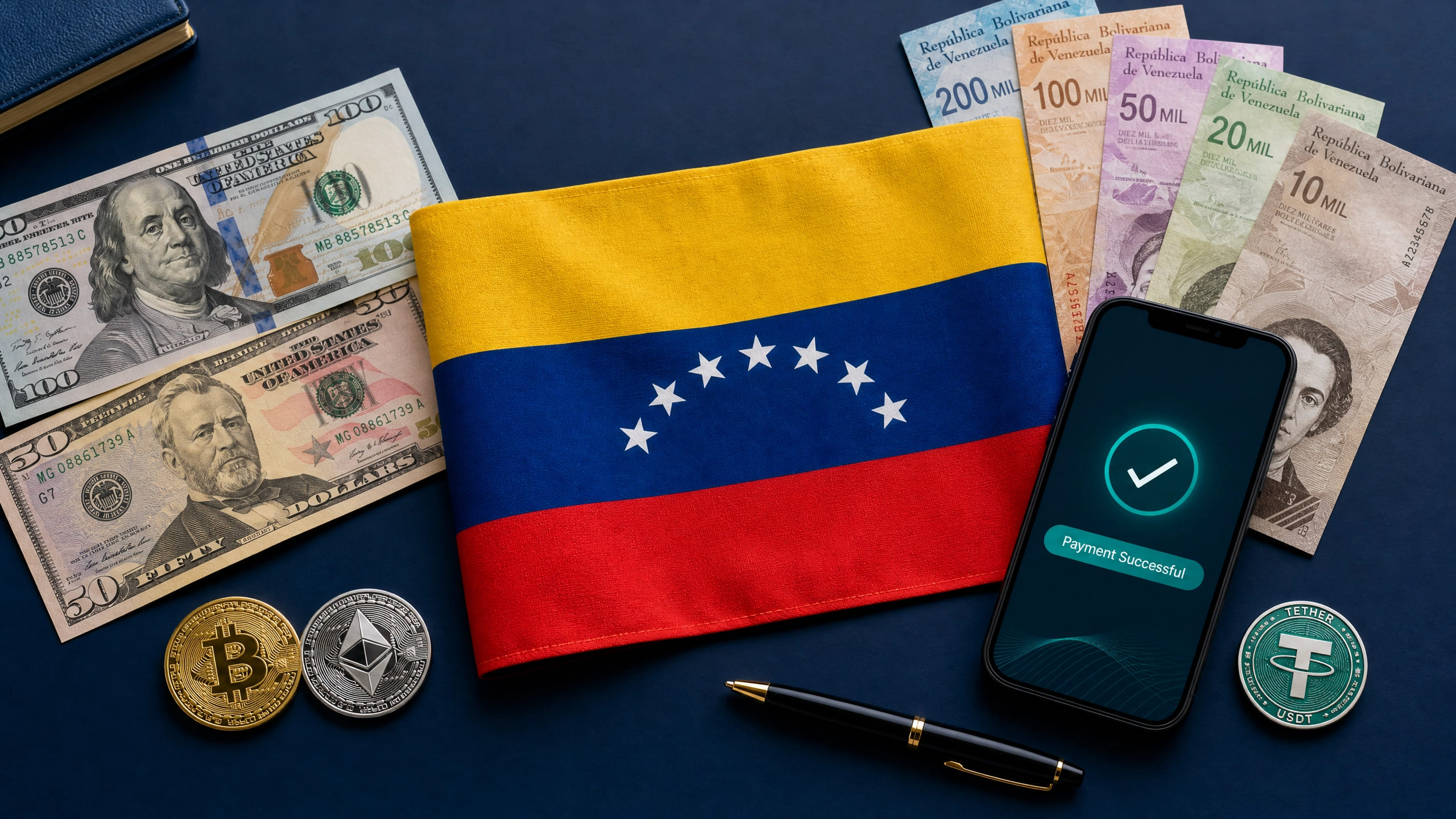
Where to Buy Venezuelan Bolivares Outside the Country
Looking to buy Venezuelan bolivares from abroad? Here's where it's possible, what exchange rate to expect, and the risks involved.
Buying bolivares before you travel, or to send directly to someone in Venezuela, is possible, but it is far less common and far less convenient than exchanging most other currencies. Physical bolivar notes are rarely stocked by exchange counters outside Venezuela, which changes the practical answer to “where can I buy them” quite a bit.
Is It Possible to Buy Bolivares Abroad
Yes, but availability is limited. Because the bolivar is not widely held or traded internationally, most mainstream currency exchange counters, including major airport kiosks and bank branches outside Venezuela, simply do not stock it. Specialized exchange houses that deal in less common currencies are your best bet for physical notes.
For most practical purposes, though, people who need bolivares in Venezuela do not buy physical notes abroad at all. Instead, they send US dollars through a remittance service or digital platform, and the recipient converts to bolivares locally at whatever rate is current that day.
Platforms and Exchange Houses That Offer It
A small number of specialized foreign exchange dealers, particularly those that serve travelers and diaspora communities, carry Venezuelan bolivares as a niche currency. These tend to be found in cities with large Venezuelan communities, such as Miami, Madrid, or Bogotá, rather than through mainstream banks.
Online currency marketplaces and some diaspora focused services also facilitate bolivar purchases, though availability and rates vary and should be confirmed directly before relying on them for a specific trip or transaction.
What Exchange Rate You’ll Get
Because physical bolivar notes are hard to source outside Venezuela, any exchange house or platform offering them will typically price them closer to the parallel market rate, and often with an additional premium to cover their own sourcing costs and limited liquidity. This makes buying bolivares abroad one of the more expensive ways to acquire local currency compared to exchanging dollars once you are actually in Venezuela or sending money through a digital platform.
Risks to Watch For
Given how thin this market is, a few risks stand out. Counterfeit notes are a real concern with any low volume, informally traded currency, so buying only from an established, licensed dealer matters more here than with mainstream currencies. Rates can also be inconsistent and poorly disclosed, so comparing more than one source before committing is worth the extra step. Finally, because bolivar denominations change with each redenomination, older notes can occasionally circulate that are no longer valid, so confirming the current note series before accepting cash is a reasonable precaution.
Alternatives to Consider
For nearly all practical situations, whether you are traveling to Venezuela or supporting someone there financially, sending US dollars through a remittance app, a broker network, or a digital wallet and letting your recipient convert locally is faster, cheaper, and safer than sourcing physical bolivares abroad. If you are traveling yourself, withdrawing or exchanging small amounts of cash once you land, through a licensed bank or exchange house, will generally get you a fairer rate than anything arranged before departure.
For more on those options, our guide on how to send money to Venezuela covers the full range of transfer methods available today.

Ready to Build Your Team in Venezuela?
Tell us what you need and one of our advisors will reach out within 24 hours.
All fields are required.