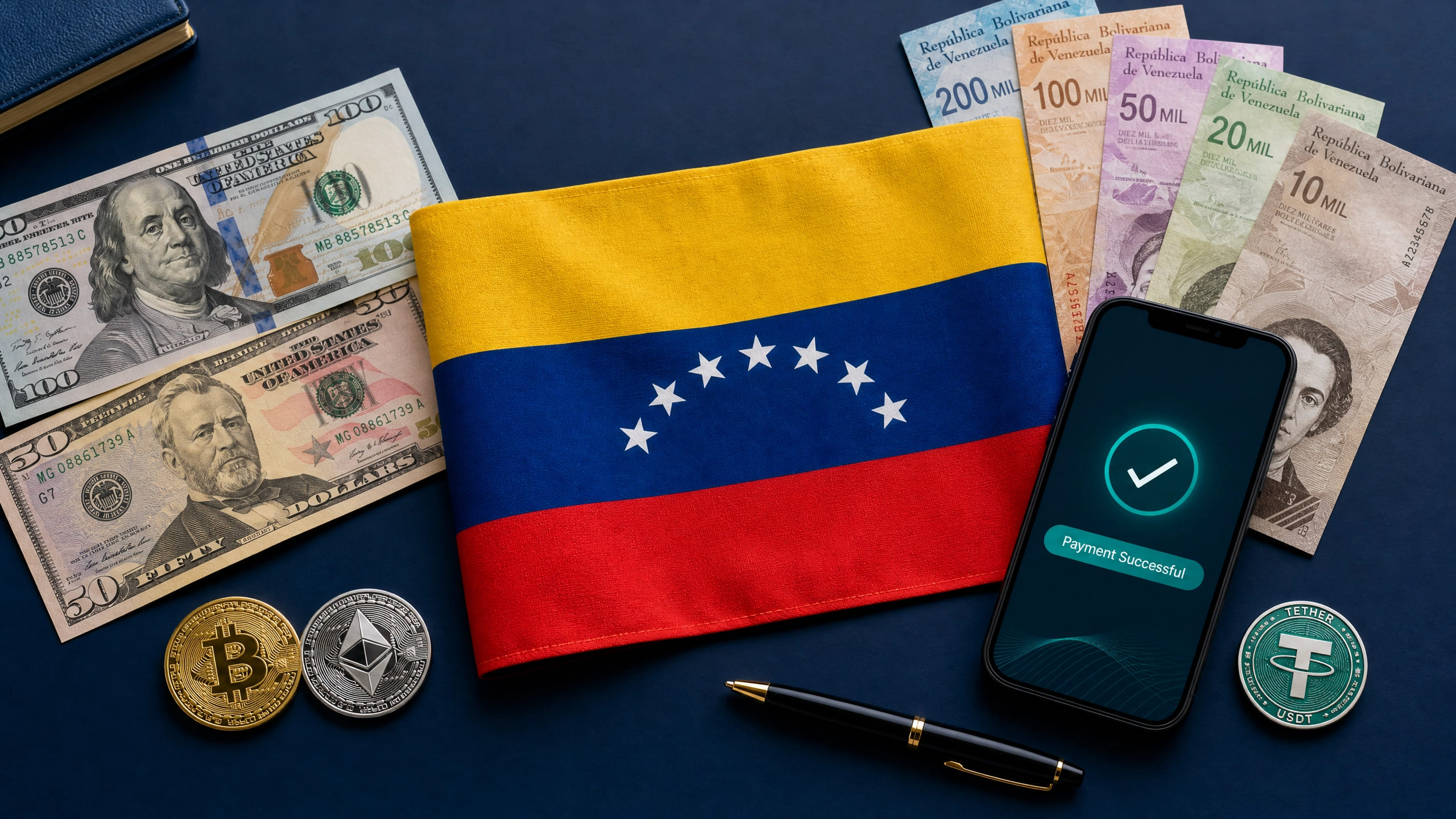
How to Invest in the Venezuelan Stock Market
Thinking about investing in Venezuela's stock market? Here's how the Caracas Stock Exchange works, who can invest, and the risks to weigh first.
Venezuela has a functioning stock exchange, and it is technically possible for both locals and, in more limited ways, foreigners to invest in it. Whether it makes sense for you is a separate question, one that depends heavily on your risk tolerance, since this is one of the most volatile and thinly traded markets in the hemisphere. Here is how it actually works. This is general information, not investment advice, and you should speak with a licensed financial advisor before committing capital to any Venezuelan asset.
How the Caracas Stock Exchange Works
The Bolsa de Valores de Caracas (BVC), Venezuela’s primary stock exchange, has operated since 1947 and lists roughly 60 companies across sectors like banking, food and beverage, and manufacturing. Trading happens through licensed local brokerage firms, known as casas de bolsa, which execute buy and sell orders on behalf of clients.
Compared to major exchanges, the BVC is small and illiquid, meaning trading volumes are low and price swings can be large even on modest trades. That illiquidity is one of the central features to understand before considering it as an investment venue.
Who Can Invest
Venezuelan residents can open brokerage accounts directly. Foreign investors can participate too, though in practice the process is more involved, generally requiring a local intermediary, additional documentation, and awareness of Venezuela’s currency controls, which affect how investment proceeds and dividends can be moved in and out of the country.
Some foreign investors instead gain indirect exposure through companies listed on international exchanges that have significant Venezuelan operations, or through regional funds, rather than opening a direct account with a Venezuelan broker.
Steps to Open a Brokerage Account
Opening an account typically starts with selecting a licensed casa de bolsa registered with Venezuela’s securities regulator. From there, the process involves submitting identification documents, proof of address, and a source of funds declaration, similar to account opening requirements in most regulated markets.
For foreign investors, an additional step usually involves clarifying how funds will be transferred into and out of Venezuela given exchange control rules, which is worth resolving with the broker directly before funding the account.
Risks to Understand
The risks here go well beyond normal stock market volatility. Extreme currency devaluation means returns denominated in bolivares can be wiped out by exchange rate movements alone. Thin liquidity makes it hard to enter or exit positions at a fair price, especially in larger size. Political and regulatory risk is significant, given Venezuela’s history of capital controls, sanctions exposure, and shifting economic policy. And corporate disclosure standards are generally less rigorous than in more developed markets, which makes thorough due diligence harder to do well.
Alternatives to Direct Investing
Given these risks, many investors interested in Venezuela’s eventual economic recovery choose indirect exposure instead: shares of multinational companies with Venezuelan operations, regional Latin America funds, or simply waiting for clearer signals on currency stability and capital controls before committing directly. If you do decide to invest directly, starting with a small position and working with a broker and advisor experienced specifically in the Venezuelan market is the more prudent path.

Ready to Build Your Team in Venezuela?
Tell us what you need and one of our advisors will reach out within 24 hours.
All fields are required.